Expert Guidance for Sustainable Health and Fitness Results

Whether you are training in the gym, participating in sports, or engaging in fitness routines at home, consistency is key to long-term success. Exercise is an essential component of a healthy lifestyle, offering a variety of physical and mental benefits. Engaging in regular physical activity, such as strength training, cardio, or sports, not only improves physical health by enhancing muscle strength, cardiovascular function, and flexibility, but it also plays a critical role in boosting mental well-being. It has been shown to reduce stress, anxiety, and symptoms of depression, while improving mood and sleep quality. Incorporating a mix of aerobic exercises and resistance training ensures a well-rounded fitness regimen that promotes both endurance and muscle development, creating a balanced body that can handle a variety of physical challenges. When it comes to fitness, the importance of nutrition cannot be overstated. A balanced diet is the fuel that supports your workouts, accelerates recovery, and ensures optimal body performance.

Consuming a variety of whole foods, including lean proteins, complex carbohydrates, healthy fats, and a variety of fruits and vegetables, will provide the body with the necessary nutrients to repair muscles, sustain energy levels, and support overall health. Hydration is equally important, as water is vital for optimal bodily functions and aids in muscle recovery and digestion. Many athletes and fitness enthusiasts may also find it beneficial to work with a nutritionist or dietitian to tailor their dietary needs to their specific goals, whether it is weight loss, muscle gain, or improving performance. Sustainable results in fitness are often influenced by the habits and routines individuals adopt. Setting realistic goals is essential to maintaining motivation and tracking progress. This means avoiding extreme diets or overtraining, which can lead to burnout or injury. Instead, focus on creating habits that are easy to integrate into daily life, such as meal prepping, staying active throughout the day, and taking rest days.

Rest is crucial for muscle recovery and mental rejuvenation, and neglecting it can hinder progress. Additionally, prioritizing sleep and managing stress levels are often overlooked factors in achieving fitness goals. Chronic stress can lead to hormonal imbalances, weight gain, and decreased motivation, while inadequate sleep affects recovery and performance. Thus, managing stress through mindfulness, meditation, or relaxation techniques can contribute significantly to a healthier body and mind. In summary, BEYOND Amsterdam sustainable health and fitness journey is about balance. It involves a mix of exercise, nutrition, rest, and stress management, with a focus on consistency rather than perfection. By adopting a holistic and realistic approach to health and fitness, individuals can achieve long-lasting results that not only improve physical appearance but also enhance overall quality of life.
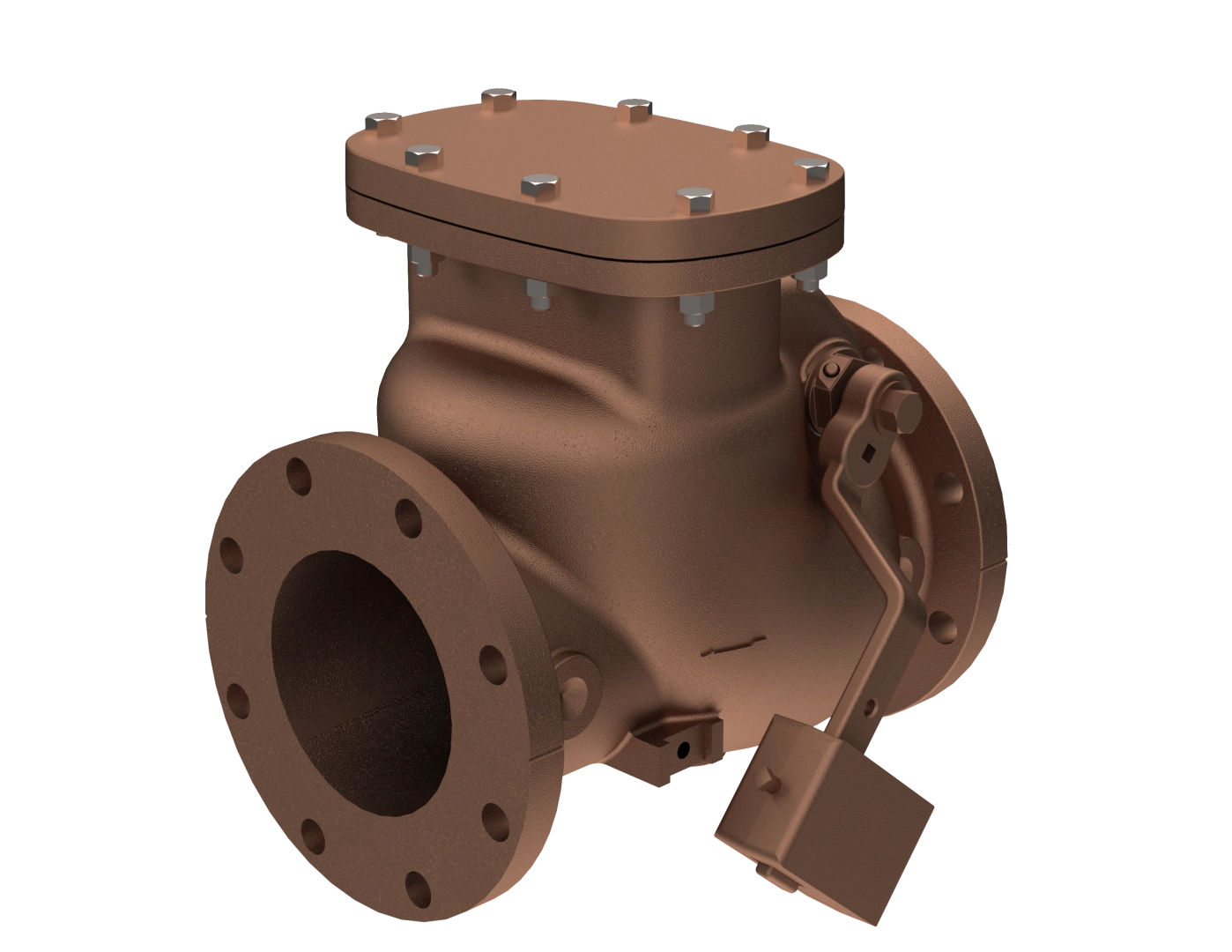
P&ID Symbols Uncovered – The Significance of Check Valve Markings

Piping and Instrumentation Diagrams P&ID are crucial for visualizing the design and operation of process systems. They provide a clear and organized layout of the piping, equipment, instrumentation, and control devices that are involved in a system’s operation. Among the various symbols used in P&IDs, check valves hold significant importance, especially when it comes to ensuring the correct flow of fluids in the right direction and preventing backflow, which can damage equipment or disrupt the process. Check valves are mechanical devices installed in pipelines to allow the flow of fluids in one direction only. Their main function is to prevent reverse flow that could potentially lead to system failure or damage. In P&IDs, check valves are represented by a unique symbol that differentiates them from other types of valves. These symbols are important because they help operators, engineers, and technicians quickly understand the role of each component in the system.

Check Valve

The symbol for a check valve in a P&ID typically includes a circle with a diagonal line through it, representing the valve body, and an arrow indicating the allowable direction of flow. This arrow plays a vital role, as it signals the intended direction in which the fluid should travel. In some cases, additional markings or annotations are used to specify the type of check valve, such as swing check valves, ball check valves, or lift check valves, each of which serves a slightly different function depending on the design of the system and the nature of the fluid being transported. One key reason for the inclusion of check valves in process systems is to prevent backflow, which can lead to contamination or damage to sensitive equipment. For instance, in a pumping system, backflow can cause damage to the pump, and in systems handling hazardous fluids, reverse flow can result in contamination of upstream sections. By clearly marking check valves in the p&id symbols, designers and operators can ensure that the system operates as intended and prevent any issues related to fluid flow.

Moreover, check valve symbol are also important in maintaining pressure within a system. They act as a safeguard against pressure surges that may occur when the flow is suddenly stopped or reversed. This pressure control is essential for maintaining the safety and efficiency of the system. In summary, check valves in P&IDs are more than just symbols they represent a vital safety feature in process systems. The clear markings, including direction arrows and additional annotations, help ensure that the system is built and operated to prevent backflow and maintain smooth, efficient fluid flow. These symbols aid in the maintenance and troubleshooting of the system, making it easier for operators to identify and address any issues related to fluid dynamics and pressure control. Understanding the significance of check valve markings in P&IDs is essential for anyone involved in the design, operation, or maintenance of process systems.

From Anxiety to Assurance: Dental Implants and Patient Experience

Introduction to Dental Implants

The journey from anxiety to assurance in the realm of dental implants is a narrative familiar to many. For those considering this transformative procedure, the journey begins with understanding the fundamentals of dental implants Melbourne. Navigating the world of dental procedures can be daunting, but with the right information, patients can transition from apprehension to confidence.

Understanding the Patient Experience

Dental implants are not merely about aesthetics; they are a gateway to a renewed sense of self-assurance. Patients contemplating this procedure often have numerous questions and concerns. The initial consultation usually addresses these queries, providing a roadmap of the entire process.

Pre-Procedure Considerations

Before undergoing any dental procedure, patients should consider the following:

  • Thoroughly researching the procedure and what it entails.
  • Consulting with their dental professional to discuss any medical history that might affect the procedure.
  • Understanding the commitment required for post-operative care and appointments.

The Procedure: What to Expect

The procedure itself is a meticulously planned event. Typically, it involves multiple stages, each critical to the overall success. It is essential for patients to understand what they should know about dental implants to make informed decisions. Understanding these steps can significantly alleviate anxiety.

The Stages of Implantation

The process can generally be broken down into the following stages:

  1. Initial Assessment: A comprehensive assessment is conducted to ensure the patient is a suitable candidate.
  2. Surgical Placement: The implant is surgically placed into the jawbone, setting the foundation for the final restoration.
  3. Osseointegration: A crucial period where the bone integrates with the implant, typically spanning several months.
  4. Restoration: Once healed, the artificial tooth is attached, completing the procedure.

Benefits of Choosing Dental Implants

One must not overlook the benefits of dental implants. They offer more than just an aesthetic remedy; they provide functional and psychological advantages as well. These benefits can significantly enhance the quality of life for patients.

Functional Advantages

  • Improved Oral Health: Dental implants do not affect adjacent teeth, promoting overall oral health.
  • Durability: With proper care, dental implants are designed to last a lifetime.
  • Enhanced Comfort and Speech: Unlike removable dentures, implants provide stability and comfort.

Moving Forward with Confidence

The decision to undergo a dental implant procedure is a significant one. However, by understanding the process and the benefits, patients can approach this journey with a sense of assurance. As detailed on WebMD, the process is well-established with a high success rate.

Conclusion: Embracing Change

In conclusion, the evolution from anxiety to assurance in the context of dental implants is a journey fuelled by knowledge and understanding. Patients in Melbourne and beyond have access to remarkable advancements in dental care, making the decision to invest in dental implants a prudent one. By embracing this change, individuals can reclaim their confidence and quality of life.

The journey of dental implants Melbourne is not just about replacing a tooth; it is about renewing one’s self-assurance and life experience.

Any surgical or invasive procedure carries risks. Before proceeding you should seek a second opinion from an appropriately qualified health practitioner.

Copyright ©2026 . All Rights Reserved | Cala Era