Discover How to Adjust Cabinet Hinges for Flawless Door Movement

Cabinet doors that sag, stick, or swing unevenly can disrupt the smooth aesthetic of your kitchen or bathroom and become frustrating to deal with daily. Fortunately, adjusting cabinet hinges is a straightforward task that can restore flawless door movement without requiring professional help. Most modern cabinets use concealed European-style hinges, which offer three-dimensional adjustability: side-to-side, up-and-down, and in-and-out. Understanding how to fine-tune these hinges can make a big difference in both function and appearance. To begin, inspect the misaligned cabinet door to identify the issue. If the gap between doors is uneven, or the door is not level with others, side-to-side or height adjustments may be needed. Open the cabinet door and look for the adjustment screws on the hinge arm. Typically, the screw closest to the cabinet interior controls the door’s side-to-side position. Turning this screw clockwise moves the door closer to the hinge side, while counterclockwise shifts it outward.

cabinet hardware

Make small turns, checking the alignment after each tweak until the spacing between doors is uniform. If your cabinet door seems too high or low, locate the screw that runs vertically through the mounting plate. Loosening this screw allows the hinge to slide up or down slightly. Gently move the door into the correct position, and then tighten the screw again to lock it in place. This simple vertical adjustment helps maintain a consistent gap above and below each door. Sometimes, a cabinet door sticks out too far or sits too deep. This is where the in-and-out adjustment comes into play. A screw located at the back of the hinge arm typically controls this movement. Turning it alters how far the door rests from the cabinet frame, helping it sit flush. Adjust slowly and check frequently to ensure the door does not interfere with neighbouring doors or drawers. As you make these adjustments, always use a quality screwdriver that fits the hinge screws well to avoid stripping. Work in small increments, and do not be afraid to readjust if the door shifts after tightening and by that you know how to adjust cabinet hinges.

It is also important to support the door while making changes to prevent stress on the hinge mechanism. If your cabinets are older and use traditional exposed hinges, adjustments may involve loosening the screws that mount the hinge to the cabinet frame or door, repositioning slightly by hand, and then re-tightening. Though less precise than modern hinges, this method can still correct minor alignment issues effectively. Once all adjustments are made, test the door’s movement by opening and closing it several times. It should move smoothly, stay shut without drifting open, and line up cleanly with adjacent doors. Properly adjusted cabinet hinges not only improve daily usability but also enhance the look of cabinet hardware. With just a few tools and a bit of patience, you can achieve flawless door movement and restore your cabinets to their best condition. Whether you are refreshing your kitchen or fine-tuning a new installation, mastering hinge adjustments is a valuable DIY skill.

Enhance System Efficiency Using PWM and DC Fan Integration

Enhancing system efficiency through the integration of PWM and DC fans offers a versatile and effective approach to managing thermal performance in various applications. PWM Pulse Width Modulation fans allow precise control over fan speed by modulating the power delivered to the motor, which enables dynamic adjustments based on real-time temperature changes. This capability ensures that the system operates within optimal thermal limits, reducing unnecessary energy consumption and minimizing noise during lower cooling demands. By incorporating PWM fans alongside traditional DC fans, systems can benefit from both fine-grained speed control and straightforward voltage regulation, creating a balanced and adaptive cooling strategy. The integration of DC fans complements the PWM control by providing a simpler mechanism for airflow management. DC fans operate by varying voltage to change speed, which, although less precise than PWM, offers reliable and cost-effective cooling solutions. When used together, PWM fans handle scenarios requiring nuanced speed variation, such as during fluctuating workloads or sensitive thermal thresholds.

pwm vs dc fan

Meanwhile, DC fans provide a baseline airflow that supports consistent system ventilation. This dual approach maximizes cooling efficiency, allowing for smoother transitions between cooling states and reducing thermal stress on components. A major advantage of combining PWM and DC fans lies in the enhanced flexibility for system designers. Depending on the environment and performance requirements, designers can tailor cooling profiles that optimize airflow and energy use. For example, in high-performance computing environments, PWM fans can ramp up quickly in response to spikes in temperature, while pwm vs dc fan maintain steady background airflow. This arrangement not only improves heat dissipation but also extends the lifespan of the fans and other hardware by avoiding excessive wear caused by constant high-speed operation. The system thus achieves a better balance between performance, noise level, and energy efficiency. From an energy consumption perspective, this integration strategy contributes to greener operations by minimizing power waste. PWM fans adjust their speed to meet actual cooling needs rather than running at full speed constantly, which reduces overall electricity use.

DC fans, running at optimized voltages, further conserve energy during periods of lower demand. The synergy between these two fan types supports sustainable system management without compromising on thermal safety or system stability. As energy efficiency becomes a priority in consumer and industrial electronics, such combined cooling solutions demonstrate a clear benefit. Noise reduction is another significant benefit of integrating PWM and DC fans in cooling systems. PWM fans can slow down considerably when full cooling power is unnecessary, drastically cutting noise output. DC fans, running steadily at lower voltages, also contribute less noise compared to running at maximum speed constantly. This combination creates a quieter operating environment, which is especially important for workstations, home electronics, and sensitive installations where noise can be a distraction or disrupt performance. By dynamically balancing acdcecfan speeds, the system ensures a comfortable acoustic profile alongside efficient cooling. The integration of PWM and DC fans delivers a comprehensive solution to thermal management challenges.

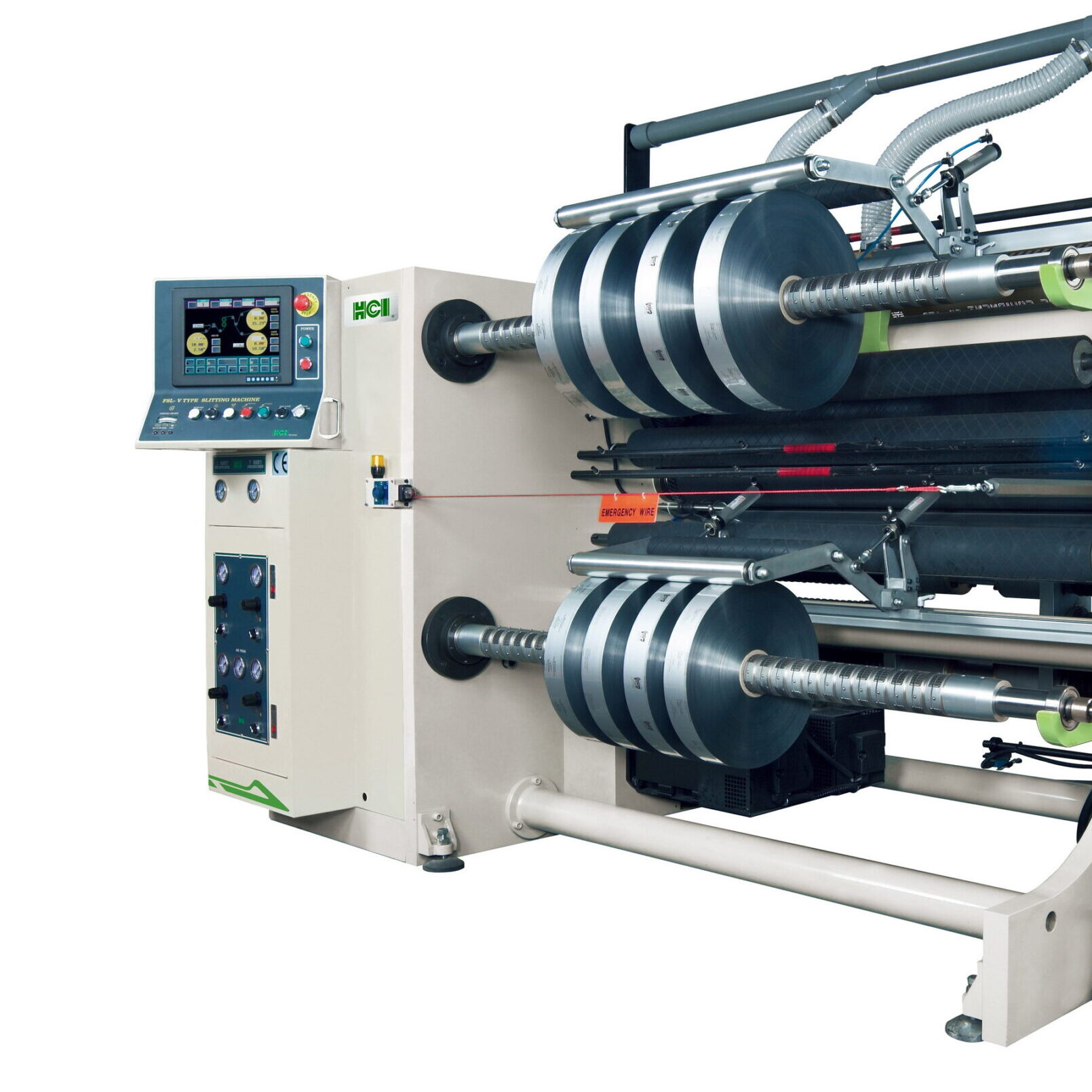
Slitting Machines That Deliver Consistent, Accurate Results Every Time

Slitting machines that deliver consistent, accurate results every time are essential assets in any manufacturing or converting operation. These machines are engineered with precision and cutting-edge technology to ensure the highest level of performance and reliability. One of the key strengths of top-quality slitting machines is their ability to maintain consistent slit widths and clean cuts, which directly impact the quality of the final product. By achieving such precision, these machines help reduce material waste and improve overall efficiency, making them invaluable for industries ranging from packaging and printing to textiles and metalworking. Modern slitting machines are designed with advanced control systems and user-friendly interfaces, allowing operators to easily set and adjust parameters to meet specific production needs. This level of customization ensures that the machines can handle a wide variety of materials, including paper, film, foil, and nonwovens, without compromising accuracy. Additionally, many slitting machines incorporate automated features such as tension control, knife positioning, and edge guiding, which further enhance precision and reduce the risk of errors during operation.

slitting machine

Durability and robust construction are also hallmarks of slitting machine that consistently deliver accurate results. High-quality components and materials ensure the machines can withstand demanding production environments and continuous use without performance degradation. This reliability translates to minimal downtime, reduced maintenance costs, and a longer machine lifespan, all of which contribute to a better return on investment for businesses. Furthermore, the consistent output of these slitting machines helps manufacturers meet tight production schedules and stringent quality standards, which are crucial for maintaining customer satisfaction and competitive advantage. The machines’ ability to deliver flawless cuts repeatedly supports the production of superior products, whether for packaging that requires perfect seals, printed materials needing sharp edges, or specialty films demanding exact dimensions.

Another advantage of these precision KETE slitting machines is their contribution to operational safety. Equipped with safety guards and emergency stop functions, they protect operators while maintaining high productivity levels. This focus on safety, combined with ease of use and maintenance, makes these machines ideal for a variety of industrial settings. In summary, slitting machines that provide consistent, accurate results every time are a vital component of efficient manufacturing processes. Their precision engineering, advanced automation, robust durability, and operator-friendly design all contribute to enhanced product quality, reduced waste, and optimized production workflows. Investing in such machines ensures businesses can confidently meet their production goals with efficiency and excellence, paving the way for sustained growth and success in competitive markets.

Copyright ©2026 . All Rights Reserved | Cala Era